
Politicians have long been suspected of trading on the information they hold. In Britain, political insider trading goes back at least as far as the South Sea Bubble of 1720, when the chancellor of the Exchequer, John Aislabie, used his own knowledge of the timing of government debt transactions to profit from the market; he ended up in the Tower of London. In the US, the history of insider dealing by politicians goes back to the 1860s, when politicians enriched themselves using stock in the Union Pacific rail company. In the wrong hands, facts are as good as currency.
The greatest temptation arises at the time of greatest volatility, when a political event can have the most market-moving power. In 2008, during the financial crisis, in 2016, after the EU referendum, and in 2020, with the arrival of coronavirus, people with non-public knowledge of politics made significant trades in financial markets. The same concerns have been raised, to a much greater degree, over the war in Iran.
Yesterday, the Financial Times reported that a broker working for Pete Hegseth, the US secretary of war, allegedly approached a major asset manager about investing millions of dollars in a fund that holds stock in defence companies before America and Israel began their war on Iran. The investment did not go ahead and the Pentagon has called the story “entirely false and fabricated”. However, the story has broken in the context of other notable trades that have taken place in recent weeks.
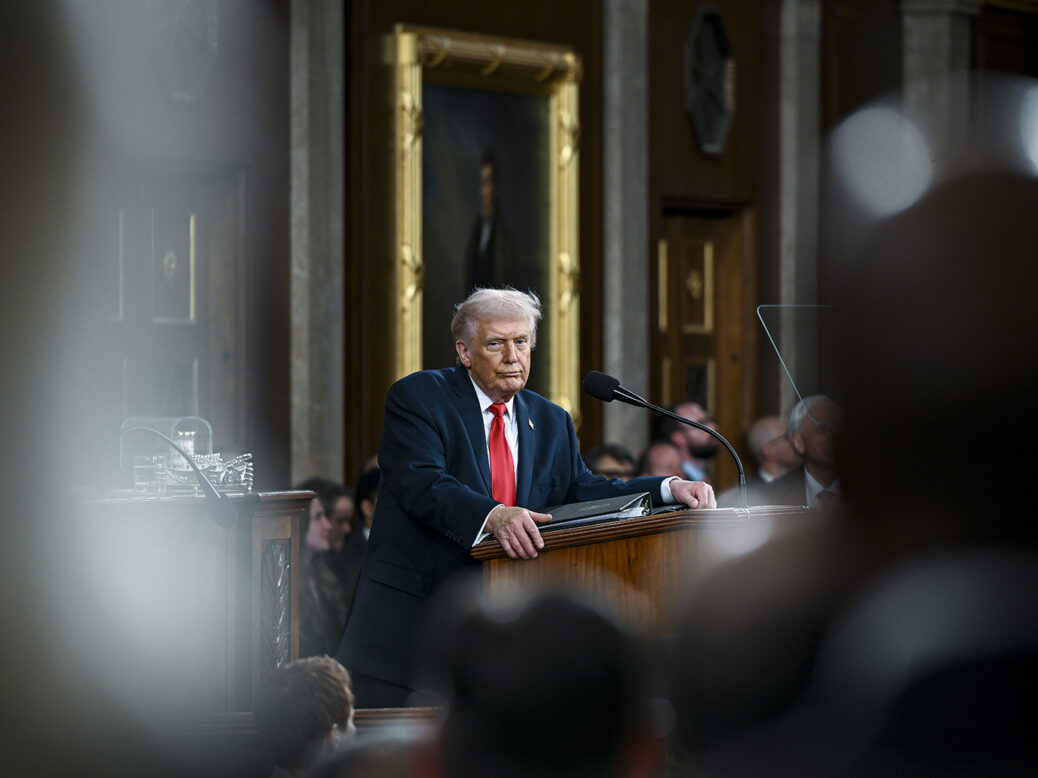
On Monday 23 March, just before 7am in New York, a very large surge in trading volumes in futures contracts – bets, effectively, on the price of oil and the value of the S&P 500 index – took place. At 7.04am, Donald Trump posed on his Truth Social account that he had held “productive conversations” with Iran, which caused these securities to change abruptly in price. The White House has denied that any official could have been connected to such activity, but the timing was certainly notable.

The temptation for those in the know to place bets ahead of everyone else has been exacerbated by the rise of universal gambling tools – euphemistically known as “prediction markets” – such as Polymarket and Kalshi. These platforms allow betting on almost anything, including outcomes that politicians can personally control, such as whether they will use a particular word in a speech. On Polymarket alone, more than half a billion dollars in war-related bets were traded as the war in Iran began in February. The biggest winners were new accounts, or wallets, that had been created in the same month.
The widespread suspicion about such trades is exacerbated by the fact that we have recently seen a clear example of insider information being passed by a politician to someone who could use it for profit. The third act of Peter Mandelson’s political career was ended by emails he sent in 2009 and 2010, in which he wrote very little, but passed on knowledge that could easily have been traded upon by his friend, the financier and paedophile Jeffrey Epstein.
Nor are politicians themselves particularly shy about deliberately moving markets. Donald Trump, hours before making a sweeping U-turn on tariffs last year, posted: “THIS IS A GREAT TIME TO BUY!!!”. Shares in his company, Trump Media and Technology Group, rose 8 per cent following the post. The previous month Trump’s commerce secretary, Howard Lutnick, had told Fox News that investors should “buy Tesla”, because it was “unbelievable that this guy’s stock is this cheap… who wouldn’t invest in Elon Musk?”
Musk himself has a long history of posts which have moved financial markets. On 20 March, a US federal jury in San Francisco found that Musk had made misleading statements which caused Twitter’s share price to fall in 2022, prior to his takeover of the company. But it is Musk’s power over financial markets that allowed him to assume political significance as the owner of a major social media platform and a backer of Trump’s re-election in 2024; the lesson learned, particularly by those on the right, is that aggressive market participation is a route to power.
The problem of market temptation could, were politicians really minded to drain the swamp of corruption, be dealt with transparently. Previous laws such as the 2012 Stock Act in the US (standing for “Stop Trading on Congressional Knowledge”), and the requirements for parliamentarians in the UK to disclose their financial interests, have been written to address the problem. But technology has moved in the opposite direction: social media makes it possible for powerful people to move markets instantly, while cryptocurrency and prediction markets allow bets to be placed unaccountably.
If those in power trade on their own decisions, this leads to a disturbing conclusion: the more volatility introduced, the more room there is for enrichment. This is the lesson from Vladimir Putin’s wars, which created large surpluses in Russia’s current account by pushing up the price of the country’s oil exports. Financial markets may fulfil the same role for the American plutocracy, turning violence and instability into an investment opportunity.
[Further reading: Trump’s dead-end war]
Content from our partners


Related



Join the debate
Subscribe here to comment